


Lifeguarding is one of the most important public safety professions in the United States. Every year, millions of people visit swimming pools, water parks, lakes, rivers, and beaches for recreation, exercise, and relaxation. While these environments provide enjoyment, they also present potential dangers. Lifeguards serve as the first line of defense against water-related emergencies, helping prevent accidents and responding quickly when incidents occur.
In the United States, lifeguarding is much more than watching swimmers from a chair. It is a profession that requires extensive training, physical fitness, strong communication skills, and the ability to make critical decisions under pressure. Lifeguards play a vital role in maintaining safe aquatic environments and protecting communities nationwide.
The Role of a Lifeguard
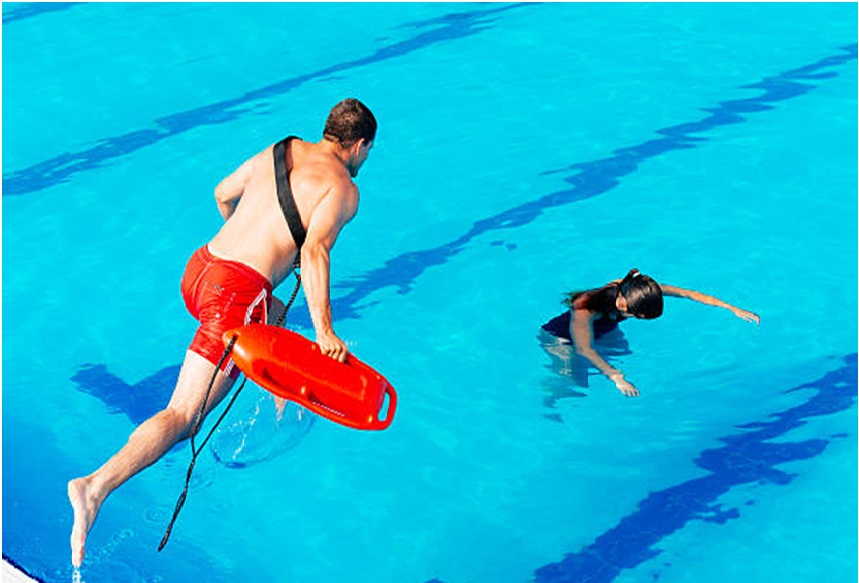
A lifeguard training primary responsibility is to ensure the safety of all individuals in and around aquatic facilities. This includes monitoring swimmers, enforcing safety rules, identifying potential hazards, and responding to emergencies. Lifeguards are trained to recognize signs of distress before a situation becomes life-threatening.
Read More : Beyond the Rescue Chair: Lifeguard Health That Saves Lives
Beyond emergency response, lifeguards educate the public about water safety. They help visitors understand facility rules, encourage safe swimming practices, and provide guidance to prevent accidents. Their proactive approach significantly reduces the likelihood of injuries and drowning incidents.
Lifeguard Training and Certification
To become a lifeguard in the USA, individuals must complete a certified lifeguard training program. These programs teach essential skills such as water rescue techniques, CPR, first aid, and the use of automated external defibrillators (AEDs).
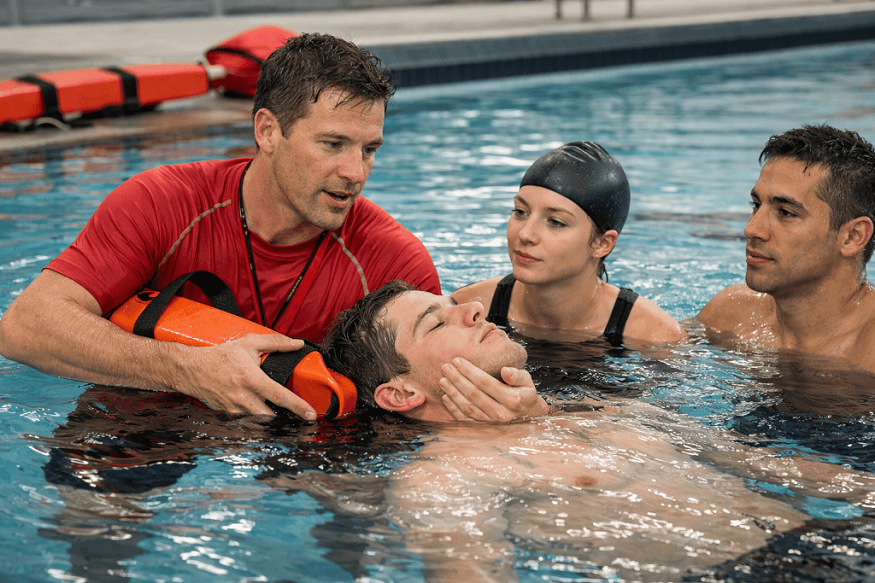
Training typically combines classroom instruction with hands-on practice in aquatic environments. Participants learn how to perform rescues, manage spinal injuries, administer emergency care, and coordinate with emergency medical services. Physical fitness tests are also required to ensure candidates can perform demanding rescue tasks effectively.
Certification programs emphasize both prevention and response. Lifeguards are trained to identify risks before emergencies occur while remaining prepared to act immediately when needed.
Importance of Water Safety
According to safety organizations, drowning can happen quickly and silently, making constant supervision essential. Lifeguards help reduce drowning risks by maintaining vigilance and responding rapidly when swimmers encounter difficulties.
Water safety education is another critical aspect of lifeguarding. Lifeguards often participate in community outreach programs, swim lessons, and safety awareness campaigns. These efforts teach individuals of all ages how to stay safe around water and recognize potential hazards.
The presence of trained lifeguards provides reassurance to families and contributes to safer recreational experiences across the country.
Lifeguarding at Different Aquatic Facilities
Lifeguards work in a variety of environments throughout the USA.
Swimming Pools
Pool lifeguards supervise swimmers in public, private, and community pools. They enforce facility rules, monitor water conditions, and respond to emergencies. Pool environments often involve managing large groups, including children and beginner swimmers.
Beaches
Beach lifeguards face more complex conditions such as waves, rip currents, changing weather, and large crowds. They require advanced rescue skills and extensive knowledge of ocean safety. Beach lifeguards often perform preventive actions by warning visitors about hazardous conditions.
Water Parks
Water park lifeguards oversee attractions such as slides, wave pools, and lazy rivers. They monitor ride safety, manage guest flow, and respond to incidents involving high levels of activity and excitement.
Lakes and Recreational Areas
Natural bodies of water present additional risks including uneven terrain, changing depths, and limited visibility. Lifeguards working in these areas must adapt their rescue strategies to environmental conditions.
Skills Required for Successful Lifeguarding
Successful lifeguards possess a combination of technical and personal skills. Physical endurance is essential because rescues often require strength, speed, and stamina. Lifeguards must also maintain strong swimming abilities and stay physically fit throughout their careers.
Communication skills are equally important. Clear communication helps prevent misunderstandings and ensures efficient management of emergencies.
Critical thinking and decision-making abilities allow lifeguards to assess situations quickly and choose appropriate actions. Since emergencies can develop within seconds, confidence and preparedness are crucial traits.
Career Opportunities and Benefits
Lifeguarding offers valuable career opportunities, particularly for students, young professionals, and individuals interested in public safety. Many lifeguards gain practical experience in leadership, teamwork, and emergency response that can benefit future careers in healthcare, law enforcement, firefighting, education, and recreation management.
The profession also promotes personal growth. Lifeguards develop responsibility, discipline, and confidence while contributing positively to their communities. Many individuals find satisfaction in knowing their skills can save lives and make recreational environments safer for everyone.
The Future of Lifeguarding in America
As aquatic facilities continue to grow and attract visitors, the demand for qualified lifeguards remains strong. Advances in training methods, safety technology, and public awareness campaigns are helping improve water safety across the nation.
Read More : Why Lifeguarding Is Not a Popular Career Choice
However, technology cannot replace the judgment, vigilance, and human response that trained lifeguards provide. Their ability to observe, prevent, and react to emergencies remains essential for protecting lives.
Finalization
Lifeguarding in the USA is a profession built on responsibility, preparedness, and service. Lifeguards play a critical role in preventing accidents, educating the public, and responding to emergencies in aquatic environments. Through rigorous training and constant vigilance, they help ensure that millions of Americans can enjoy water-based activities safely. As communities continue to prioritize recreation and wellness, lifeguards will remain indispensable guardians of water safety throughout the country.






Leave a Reply