

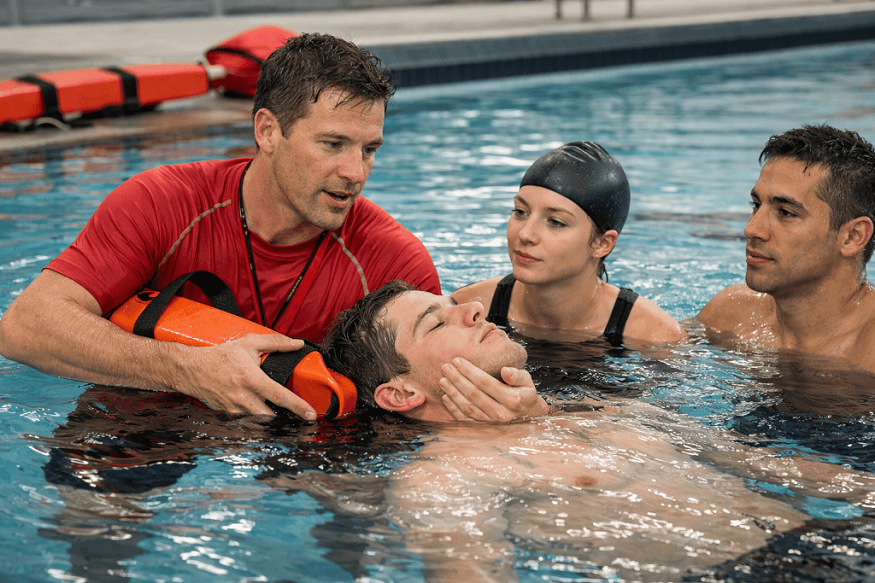
Lifeguards are often seen as strong swimmers who monitor pools and beaches, but their responsibilities extend far beyond watching the water. Every shift demands physical stamina, mental focus, emotional resilience, and quick decision-making. A lifeguard may spend hours under the sun, respond to emergencies within seconds, and manage stressful situations involving children, families, and large crowds.
Because of these challenges, maintaining excellent health and fitness is not optional for lifeguards—it is essential. A physically and mentally prepared lifeguard protects not only themselves but also the people they serve. Families trust lifeguards with public safety, and that trust depends on readiness, training, and wellness.
This article explores how lifeguards can maintain peak physical and mental condition, why those qualities matter for emergency response, and how organizations like the American Lifeguard Association help support lifeguard well-being.
What Physical Challenges Do Lifeguards Face Every Day?
Lifeguarding is physically demanding in ways many people do not immediately recognize. A typical shift may involve constant scanning of swimmers, standing for long periods, repetitive movement, and the ability to sprint or swim at maximum speed during an emergency.
Some of the most common physical demands include:
- Prolonged sun exposure and dehydration
- Repeated swimming and rescue drills
- Carrying or towing distressed swimmers
- Climbing ladders or navigating uneven beach terrain
- Maintaining alert posture for extended hours
- Quick reaction times during emergencies
Unlike many professions, lifeguards cannot afford physical fatigue during critical moments. A rescue may require explosive energy and endurance simultaneously. If a lifeguard becomes exhausted too quickly, both the rescuer and victim may be at risk.
Families visiting aquatic facilities often assume help will arrive instantly in an emergency. That expectation means lifeguards must consistently train their bodies to remain rescue-ready throughout the season.
How Can Lifeguards Build Strength and Endurance for Rescues?
Rescue performance depends heavily on total-body strength and cardiovascular endurance. Lifeguards need powerful shoulders, strong legs, stable core muscles, and the stamina to sustain effort under pressure.
A balanced fitness routine should include:
Swimming Workouts
Swimming remains the most important exercise for lifeguards because it directly mimics real rescue situations. Interval training helps improve endurance and speed.
Examples include:
- Sprint laps
- Timed rescue simulations
- Treading water drills
- Underwater endurance exercises
Swimming in different environments, including pools and open water, also improves adaptability.
Functional Strength Training
Traditional bodybuilding is less important than functional movement. Lifeguards benefit most from exercises that improve stability, power, and endurance.
Helpful exercises include:
- Push-ups
- Pull-ups
- Squats
- Deadlifts
- Planks
- Medicine ball exercises
- Resistance band training
Functional exercises strengthen the same muscles used during rescues and CPR situations.
Endurance Conditioning
Running, rowing, cycling, and circuit training improve cardiovascular fitness. Endurance conditioning allows lifeguards to remain effective during long shifts and repeated rescues.
Read More: Why Lifeguarding Is Not a Popular Career Choice
Many professional trainers recommend combining:
- High-intensity interval training (HIIT)
- Moderate steady-state cardio
- Recovery-focused movement days
Consistency matters more than intensity alone. Lifeguards who train regularly throughout the year often perform better than those who only prepare during summer months.
What Cardiovascular Exercises Are Best for Lifeguards?
Cardiovascular conditioning is one of the foundations of aquatic safety. Strong cardio fitness helps lifeguards maintain stamina, recover faster, and remain alert during demanding conditions.
Some of the best cardio exercises include:
Open-Water Swimming
Swimming against waves or currents develops real-world endurance and confidence.
Interval Sprints
Short bursts of intense exercise followed by recovery periods improve rescue performance. Examples include:
- 50-meter swim sprints
- Beach runs
- Shuttle runs
Rowing Machines
Rowing builds endurance while strengthening the upper body and core.
Cycling and Running
These activities support heart health and stamina without excessive strain on joints.
A strong cardiovascular system also helps lifeguards remain calm during emergencies. Controlled breathing and endurance can significantly improve rescue effectiveness.
What Strength Training Routines Benefit Lifeguards Most?
Strength training for lifeguards should focus on mobility, endurance, and injury prevention rather than appearance alone.
Key muscle groups include:
- Shoulders
- Back
- Core
- Legs
- Grip strength
A practical weekly routine may include:
Upper Body Days
- Pull-ups
- Dumbbell rows
- Shoulder presses
- Push-ups
Lower Body Days
- Squats
- Lunges
- Step-ups
- Calf raises
Core Stability Training
- Planks
- Russian twists
- Leg raises
- Stability ball exercises
Recovery and Mobility Sessions
- Stretching
- Foam rolling
- Yoga
- Mobility drills
Strong muscles support safe rescues and reduce the likelihood of overuse injuries.
When Should Lifeguards Focus on Flexibility and Injury Prevention?
Flexibility training should be part of every lifeguard’s routine—not something reserved for injuries after they happen.
Read More: Lifeguard Training: A Complete Guide to Building Life-Saving Skills
Lifeguards rely heavily on shoulder mobility, hip flexibility, and spinal movement. Tight muscles can reduce swimming efficiency and increase the risk of strains.
Important times to prioritize flexibility include:
- Before shifts
- After swimming workouts
- During recovery days
- Before and after rescue practice
Dynamic stretching works best before activity, while static stretching helps after exercise.
Common injury-prevention habits include:
- Proper hydration
- Wearing supportive footwear
- Using sunscreen
- Taking recovery days seriously
- Listening to signs of fatigue
Preventing injuries helps lifeguards stay dependable during the busiest parts of the season.
Where Can Lifeguards Find Reliable Nutrition Information?
Nutrition directly affects energy, focus, recovery, and endurance. Poor eating habits can lead to fatigue, dehydration, and reduced reaction time.
Lifeguards should focus on:
- Lean proteins
- Whole grains
- Fruits and vegetables
- Healthy fats
- Consistent hydration
Hydration is especially critical because lifeguards often work in hot outdoor conditions.
Reliable nutrition guidance can be found through:
- Certified sports dietitians
- Athletic training programs
- Public health organizations
- Lifeguard certification providers
- Educational resources from the American Lifeguard Association
Meal timing also matters. Lifeguards should avoid heavy meals before active shifts and instead focus on balanced snacks that maintain steady energy levels.
What Mental Health Challenges Do Lifeguards Commonly Face?
The mental demands of lifeguarding are often underestimated. Lifeguards must remain alert for hours while knowing a life-threatening emergency could happen at any moment.
Common mental health challenges include:
- Stress from emergency situations
- Anxiety about making mistakes
- Burnout from long shifts
- Emotional exhaustion after rescues
- Isolation during quiet monitoring periods
- Pressure from public expectations
Even experienced lifeguards can struggle after traumatic incidents. Witnessing injuries or near-drownings may affect emotional well-being long after a shift ends.
Mental wellness is not a weakness in lifeguarding—it is a professional necessity.
How Can Lifeguards Manage Stress and Prevent Burnout?
Managing stress begins with recognizing it early. Lifeguards who ignore fatigue and emotional strain may eventually lose focus or motivation.
Helpful stress-management strategies include:
Maintaining Healthy Sleep Habits
Sleep improves reaction time, focus, and emotional regulation.
Practicing Controlled Breathing
Breathing exercises can reduce anxiety during emergencies and improve calm decision-making.
Staying Physically Active
Exercise supports mental health as much as physical health.
Building Team Communication
Strong communication between lifeguards reduces pressure and creates emotional support systems.
Taking Scheduled Breaks
Short recovery periods help maintain attention and prevent mental fatigue.
Lifeguards should also avoid trying to “push through” severe exhaustion. Burnout can compromise both personal health and public safety.
What Strategies Help Lifeguards Stay Focused During Long Shifts?
Maintaining focus is one of the most important parts of aquatic safety. A distracted lifeguard may miss early signs of distress in the water.
Effective focus strategies include:
- Rotating surveillance zones
- Staying hydrated
- Avoiding excessive screen time during breaks
- Using active scanning techniques
- Practicing mental awareness drills
Some facilities also use team rotation systems to prevent visual fatigue.
Mental alertness improves significantly when lifeguards maintain healthy routines outside of work. Nutrition, exercise, and sleep all contribute to sharper concentration.
When Should Lifeguards Seek Professional Mental Health Support?
Professional support becomes important when stress begins affecting daily life, relationships, sleep, or job performance.
Warning signs may include:
- Persistent anxiety
- Emotional numbness
- Trouble sleeping
- Panic attacks
- Loss of motivation
- Difficulty concentrating
- Avoidance of work responsibilities
Seeking help early can prevent long-term emotional strain.
Mental health professionals, peer support groups, and employee wellness programs can all provide valuable assistance. Many lifeguard organizations now encourage open discussions about mental wellness to reduce stigma.
Where Can Lifeguards Access Mental Wellness Resources?
Reliable mental wellness resources may include:
- Licensed therapists
- Employee assistance programs
- Crisis hotlines
- Lifeguard support communities
- Athletic wellness programs
- Training organizations focused on emergency responder wellness
Educational resources from organizations such as the American Lifeguard Association also emphasize the importance of emotional resilience and preparedness.
How Does the American Lifeguard Association Support Lifeguard Wellness?
The American Lifeguard Association plays an important role in supporting lifeguard health, safety, and professional development.
The organization promotes physical wellness by encouraging:
- Rescue-readiness training
- Swimming endurance standards
- CPR competency
- Regular fitness preparation
- Injury-prevention awareness
ALA training programs often emphasize that strong physical conditioning improves rescue efficiency and public safety outcomes.
The organization also recognizes the growing importance of mental wellness among aquatic professionals. Through educational materials and professional training standards, the ALA encourages lifeguards to:
- Understand stress management
- Practice teamwork and communication
- Maintain emotional readiness during emergencies
- Develop confidence through preparation
ALA certification programs are designed not only to teach rescue techniques but also to prepare lifeguards for the physical and emotional realities of the profession.
By supporting comprehensive wellness, the ALA helps create safer aquatic environments for both lifeguards and the communities they protect.
Why Does Lifeguard Health Directly Impact Public Safety?
A healthy lifeguard is more than an athletic professional—they are a critical layer of public protection.
Physical fitness allows lifeguards to:
- Reach victims faster
- Perform stronger rescues
- Sustain energy during emergencies
- Deliver effective CPR
Mental wellness helps lifeguards:
- Stay calm under pressure
- Make accurate decisions
- Maintain focus during long shifts
- Recover emotionally after traumatic incidents
Families visiting pools, lakes, and beaches rely on lifeguards during life-threatening moments. Every training session, healthy habit, and wellness strategy contributes to safer communities.
When lifeguards prioritize their own health, they become more capable of protecting others.
Author Biography
Daniel Mercer is a certified aquatic fitness specialist and former ocean rescue lifeguard with more than 12 years of experience in water safety education, endurance training, and emergency preparedness. He has worked with aquatic facilities, swim instructors, and lifeguard development programs to promote physical conditioning and mental resilience among water safety professionals. Mercer regularly writes about health, fitness, and public safety for aquatic training publications.





Leave a Reply