

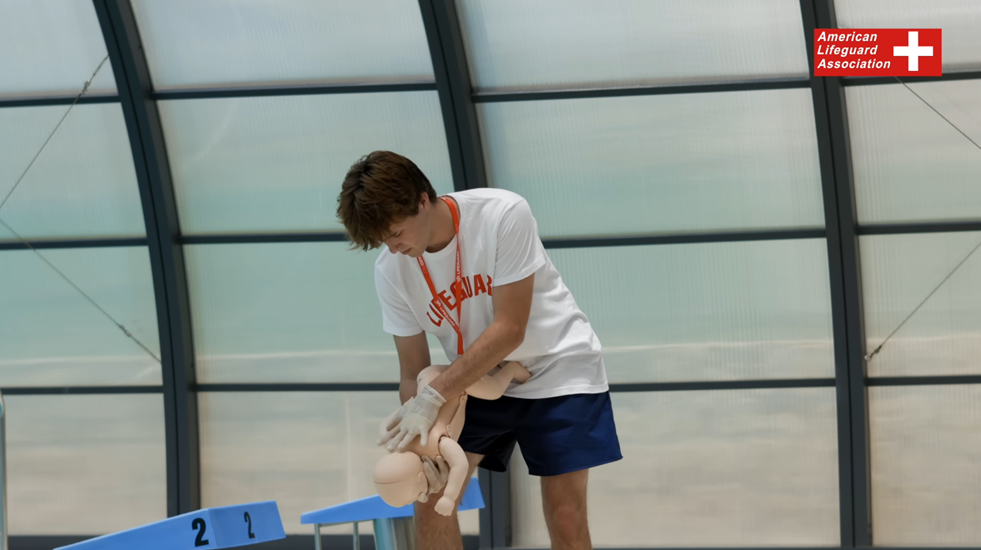
Many people begin their journey into aquatic safety by searching for a lifeguard class near me. Whether the goal is seasonal employment, career development, or acquiring lifesaving skills, professional training provides the foundation needed to succeed. Lifeguards play an essential role in protecting swimmers, preventing accidents, and responding to emergencies in a wide variety of aquatic environments.
A well-structured lifeguard class near me combines practical experience, safety education, and emergency response training. Through hands-on learning and expert instruction, participants develop the skills necessary to perform confidently in situations where lives may depend on their actions.
Why Lifeguard Classes Continue to Grow in Demand
As swimming pools, water parks, and recreational facilities expand, the need for qualified lifeguards remains strong. Communities rely on trained professionals to ensure aquatic environments remain safe and enjoyable for visitors.
Individuals searching for a lifeguard class near me are often looking for opportunities that offer both convenience and quality instruction. Local training programs allow students to gain practical experience while preparing for future employment opportunities.
Read More: Lifeguarding in the USA: Protecting Lives Through Skill and Responsibility
The demand for certified lifeguards has created excellent opportunities for individuals interested in safety, leadership, and public service.
What Participants Learn During Lifeguard Classes
A professional lifeguard class teaches much more than swimming techniques. Participants receive comprehensive instruction designed to prepare them for a variety of responsibilities.
Recognizing Potential Hazards
One of the first skills taught during a lifeguard class is hazard recognition. Students learn how to identify risks that could lead to accidents or injuries.
These risks may include:
- Unsafe swimmer behavior
- Crowded swimming areas
- Environmental hazards
- Equipment concerns
- Weather-related dangers
By recognizing problems early, lifeguards can often prevent emergencies before they occur.
Developing Rescue Capabilities
Water rescue training is a central component of every lifeguard class. Participants learn how to approach victims safely, provide assistance, and remove individuals from dangerous situations.
Training typically includes:
- Active victim rescues
- Passive victim rescues
- Submerged victim recovery
- Rescue equipment use
- Emergency extraction techniques
These practical exercises help students build confidence while improving physical and mental readiness.
Emergency Medical Training
Many emergencies extend beyond water rescues. A lifeguard class prepares participants to respond effectively to medical incidents through CPR, AED, and first aid instruction.
Students learn how to:
- Perform chest compressions
- Provide rescue breathing
- Use automated external defibrillators
- Manage common injuries
- Respond to sudden illnesses
These skills can make a significant difference during critical situations.
The Importance of Prevention
Experienced lifeguards understand that preventing emergencies is often more effective than responding to them. For this reason, prevention receives significant attention during lifeguard classes.
Active Surveillance Techniques
Participants learn how to scan aquatic environments efficiently and maintain constant awareness of swimmer activity.
Communication Strategies
Lifeguards frequently interact with guests to encourage safe behavior. Training helps participants develop communication skills that support safety without creating unnecessary conflict.
Risk Management Practices
Understanding how to reduce risks helps lifeguards create safer environments for everyone involved.
Benefits of Taking a Lifeguard Class
People who search for a lifeguard class near me often discover benefits that extend far beyond certification.
Employment Opportunities
Certified lifeguards may find work in:
- Community swimming pools
- Water parks
- Beaches
- Recreation facilities
- Hotels and resorts
- Summer camps
Many employers prioritize candidates who have completed recognized training programs.
Personal Development
Lifeguard classes help participants build confidence, responsibility, and leadership abilities. These qualities often transfer to other aspects of life, including education and future careers.
Lifesaving Knowledge
The skills gained through training can be used outside aquatic environments. CPR and first aid knowledge may help participants assist others during emergencies in everyday situations.
Improved Physical Fitness
Training often includes swimming drills, rescue exercises, and practical activities that support overall fitness and endurance.
What to Look for When Choosing a Lifeguard Class
Not all training programs are identical. Individuals searching for a lifeguard class near me should consider several factors before enrolling.
Important considerations include:
- Instructor experience
- Training curriculum
- Practical learning opportunities
- Certification recognition
- Class schedules
- Facility quality
Choosing the right program can improve both learning outcomes and future career opportunities.
Preparing for Success in Lifeguard Training
Students who prepare before attending class often perform better throughout the program.
Helpful preparation methods include:
- Practicing swimming regularly
- Improving cardiovascular fitness
- Learning basic water safety concepts
- Developing strong communication skills
- Maintaining a positive learning attitude
Preparation can make the training experience more enjoyable and productive.
The Long-Term Value of Lifeguard Education
A lifeguard class provides skills that remain valuable long after certification is earned. The ability to respond during emergencies, lead others, and promote safety can benefit participants throughout their personal and professional lives.
Read More: Beyond the Rescue Chair: Lifeguard Health That Saves Lives
Many individuals begin with lifeguarding and later pursue careers in healthcare, emergency services, education, recreation management, and public safety.
Final Thoughts
Searching for a lifeguard class near me is often the first step toward a meaningful and rewarding opportunity. Professional training equips participants with rescue techniques, medical response skills, leadership qualities, and prevention strategies that support safer aquatic environments.
By investing in quality American lifeguard education, individuals gain the confidence and knowledge needed to protect others while opening the door to valuable career and personal development opportunities. A lifeguard class is more than training—it is preparation for making a real difference when it matters most.





Leave a Reply